Can Type 2 Diabetes be reversed? Learn what the evidence shows about improving blood sugar, metabolic health, and the lifestyle changes that can help you take control.

If you want to live an energetic life with good health, preventing the development of any chronic disease is something you should take a keen interest in. One particular condition of concern is diabetes, a disease that affects millions globally. Diabetes, marked by elevated blood sugar levels, poses significant health risks and a burden to the health system. However, the good news is that with informed choices and proactive measures, Type 2 diabetes is often preventable.

Managing your blood sugars during the day can be challenging in itself, but what happens when we go to sleep overnight?

Watching your food intake is no new concept for people living with diabetes. But if you’re still left scratching your head wondering what you should be eating, we have the answers for you. Remember with everything diabetes, there is no one-size-fits-all approach, and you should always adhere to your healthcare provider’s advice. In the five food groups, including many fruit and vegetable products, you will get the nutrients you need to lead a healthy life by eating the recommended amount of food. The Australian Dietary Guidelines provide a good basis for basic health advice.
According to recent statistics, over 1.7 million Australians and 250,000 New Zealanders are suffering from type 2 diabetes. The scariest part is, that’s not all of them.

According to Diabetes Australia, approximately 280 Australians develop Diabetes every single day. That’s one person every 5 minutes! Type 2 Diabetes is the most common type, representing ~85-90% of total diabetes cases (1). While these statistics might sound frightening, the good news is that there are a number of steps you can take to prevent and defeat diabetes.

Diabetes is a chronic medical condition that currently affects 1 in 20 Australians. It causes the levels of glucose (sugar) in the blood to become higher than normal, which can lead to serious health complications and have a significant impact on your quality of life left untreated (1). There are three different types of diabetes – Type 1, Type 2, and Gestational diabetes (2).

Type 2 diabetes is the fastest-growing chronic health condition in Australia, with one person being diagnosed every 5 minutes. According to Diabetes Australia, it’s the epidemic of the 21st century, and the biggest challenge currently facing Australia’s public health system (1). So, what exactly is this condition, and what causes Type 2 Diabetes Mellitus? Our Dietitian and Health Coach explains below.
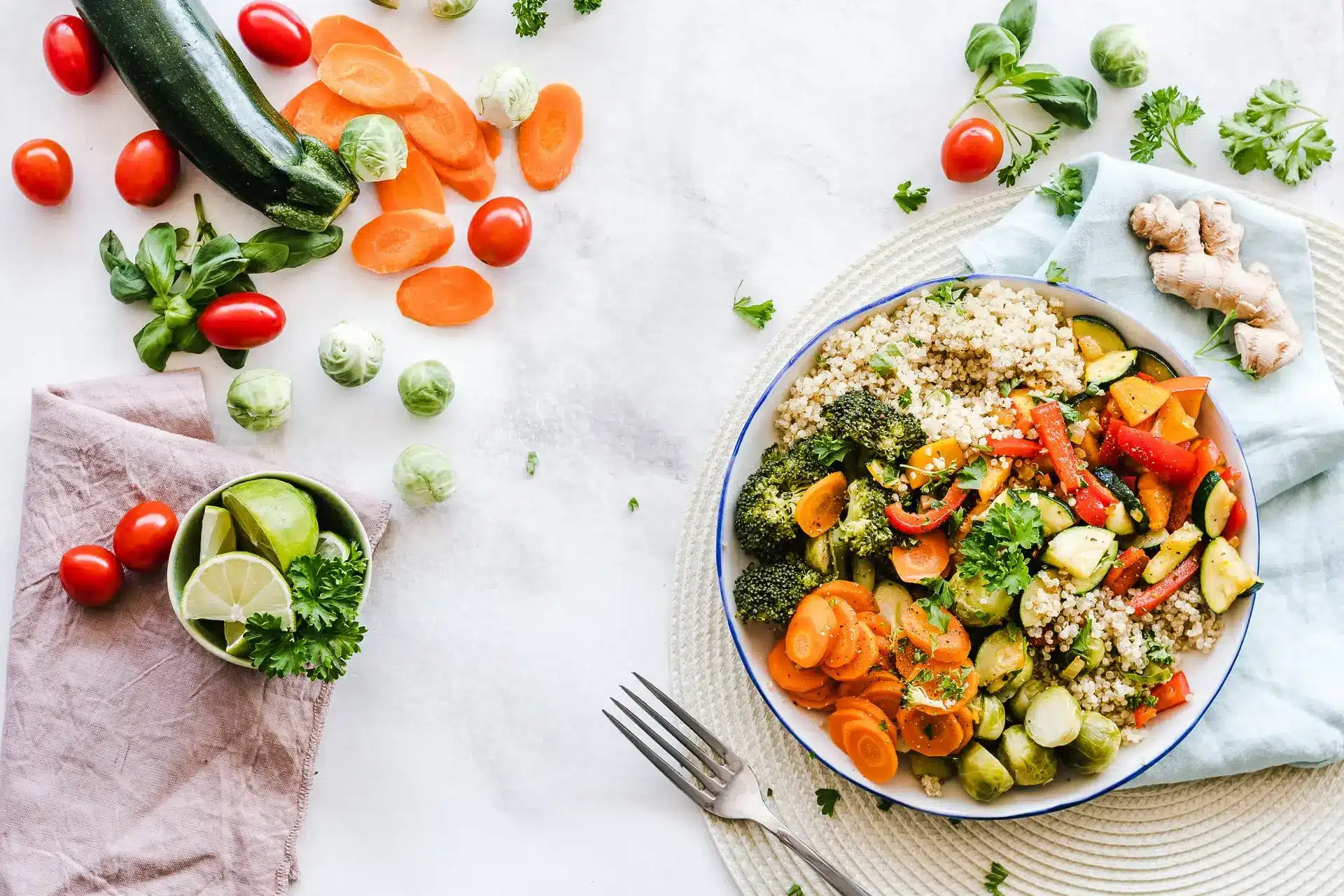
In recent years, low carbohydrate (low carb) diets have gained huge popularity in the media, mainly promoting its benefits for weight loss. Now, this trending diet has become popular amongst those with type 2 diabetes mellitus (T2DM) in an effort to manage blood glucose levels (1). But what exactly is a low-carb diet, and is the trend worth the hype? In this article, we’ll explore low-carb diets and T2DM, what the research says, key considerations, and if there’s any benefit to low-carb for management of diabetes type 2.
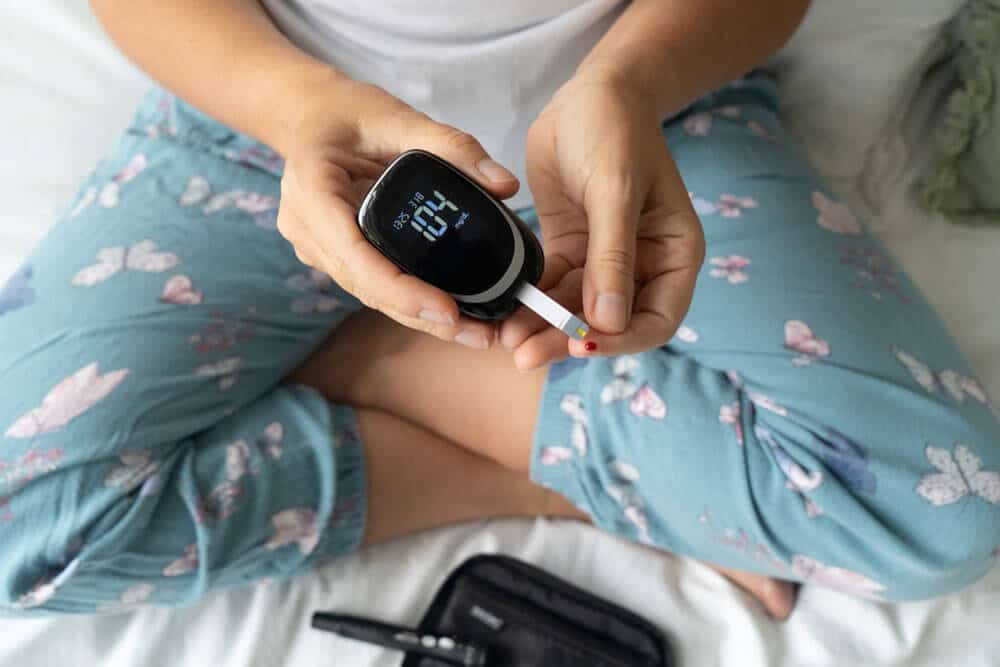
Being diagnosed with type 2 diabetes can be overwhelming, especially if your Doctor has recommended you take insulin to manage your condition. But don’t worry, we’ve got you covered.
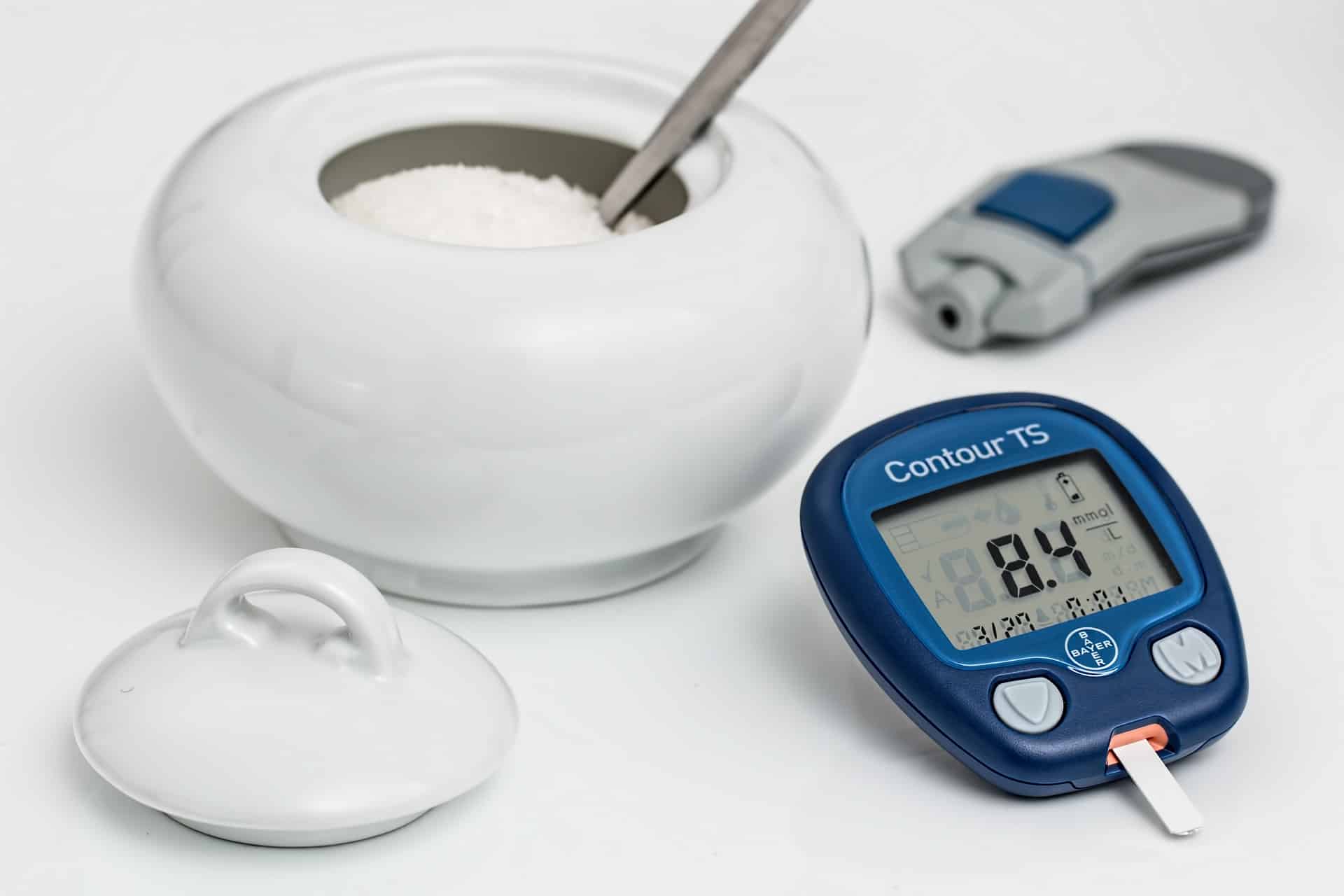
Insulin resistance is a complex medical condition that can increase your risk of developing pre-diabetes and type 2 diabetes. Read on to learn more about this condition, what causes insulin resistance, and what you can do to prevent it.

Diabetic ketoacidosis, often referred to as DKA, is a serious and potentially life-threatening complication that can occur in individuals with insulin-dependent diabetes. Understanding the causes, symptoms, treatment, and prevention of DKA is crucial for anyone living with diabetes or supporting someone who does. In this blog, we'll delve into the essential aspects of diabetic ketoacidosis and provide valuable insights and tips for managing this serious condition.


Stay in the loop
Be the first to get updates on our latest content, special offers, and new features.
By signing up, you’re agreeing to receive marketing emails from Healthie. You can unsubscribe at any time. For more details, check out our Privacy Policy.
© 2026 Healthie