
The statistics for heart disease in Australia are staggering. According to the Australian Bureau of Statistics, one person is killed every 18 minutes, and on average 79 people die each day from heart disease (1). While two-thirds of Australian adults have three or more risk factors for heart disease, most don’t even realise they are at risk, to begin with (2).
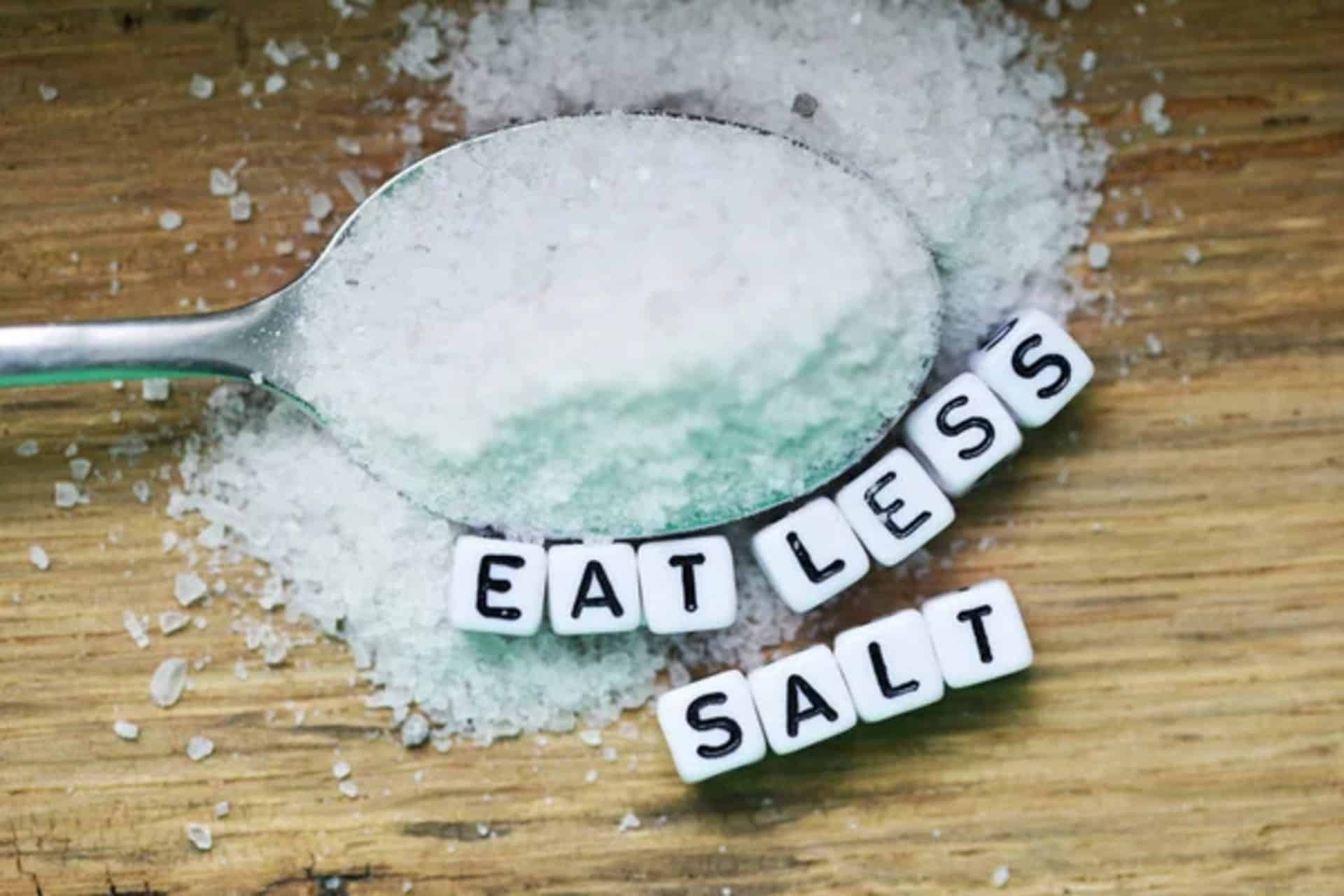
Whether it’s naturally occurring or added during processing, salt is found in almost every food we eat. While our bodies need a small amount of salt for essential functions like conducting nerve impulses, maintaining the balance of water and minerals and contracting and relaxing muscles, consuming too much salt can increase our blood pressure and our risk of heart disease and stroke (1).
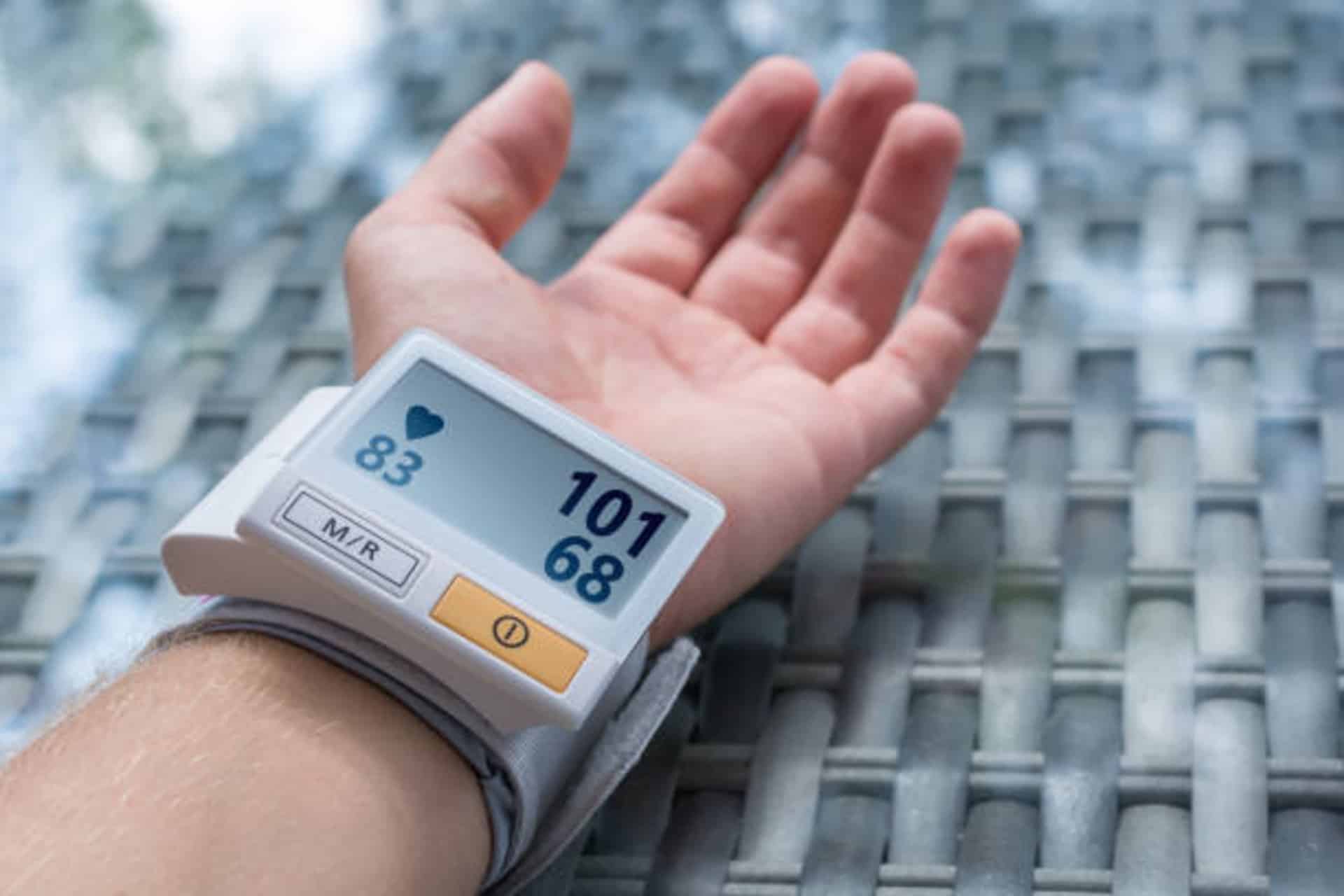

While we may not realise it, our heart is one of the most important muscles in the body. At the centre of our circulatory system, our heart works around the clock to pump blood and oxygen around the body to our muscles and organs and carries away unwanted carbon dioxide and waste products (1). If it’s not given the proper care it deserves, serious problems can arise, placing us at higher risk of cardiovascular disease, stroke, or even death. Adopting an active lifestyle with regular physical activity and good nutrition are just some examples of ways we can improve our heart care.
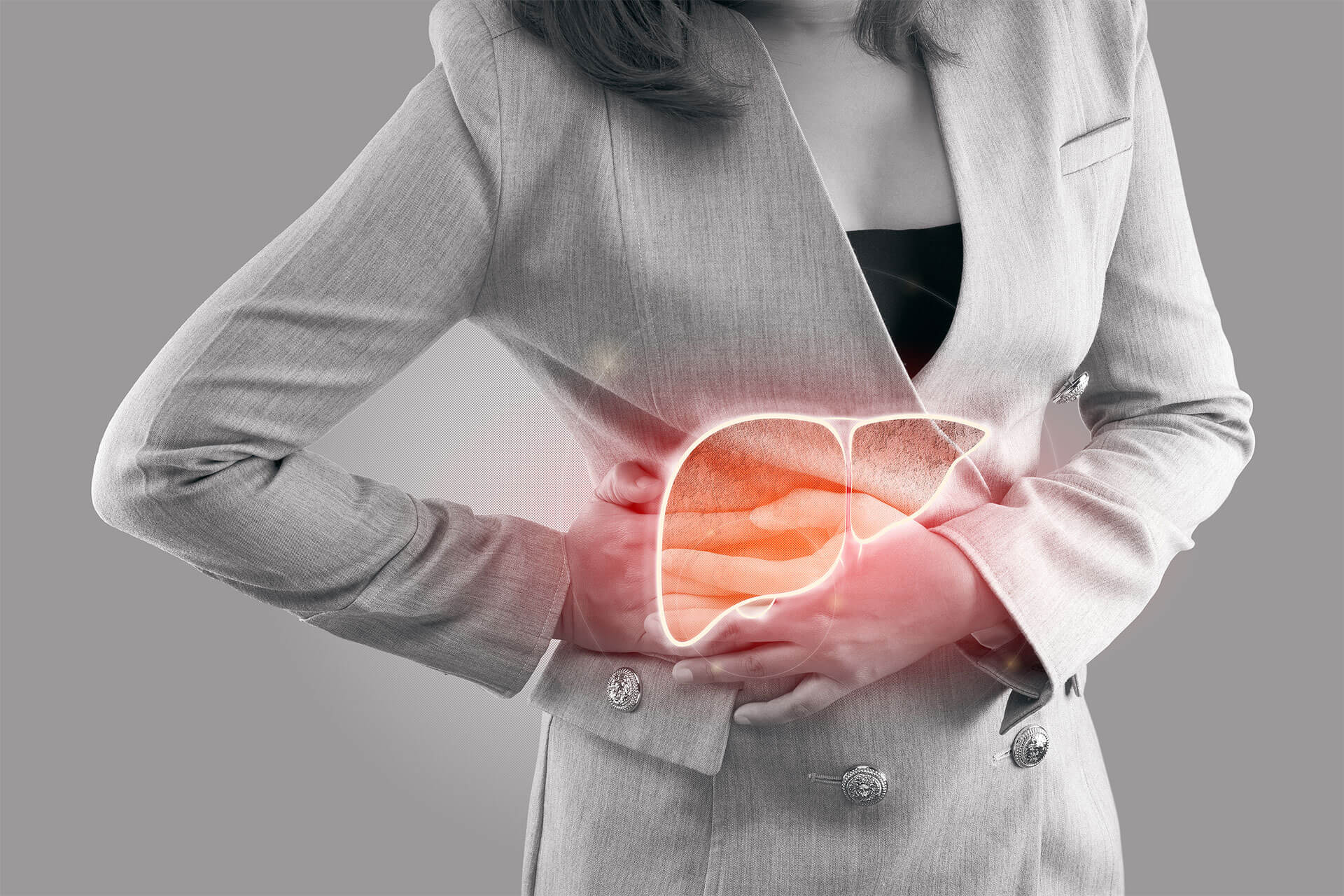
Fatty liver disease is a common term used to describe a range of conditions that are caused by a buildup of fat in the liver. This disease affects about 1 in 10 adult Australian’s and its prevalence continues to rise worldwide. It is not just simply caused by eating fatty foods as its title suggests. Unless you’ve had a blood test, this disease can go undiagnosed for quite a while as it rarely causes pain or symptoms. However, treatment and management of the fatty liver disease are vital, as they can progress and likely indicates other health issues.


Stay in the loop
Be the first to get updates on our latest content, special offers, and new features.
By signing up, you’re agreeing to receive marketing emails from Healthie. You can unsubscribe at any time. For more details, check out our Privacy Policy.
© 2026 Healthie