
Learn which foods can help lower cholesterol naturally and which ones to limit. Get science-backed nutrition tips to support better heart health.

A cardiologist’s 30-day plan to help lower blood pressure naturally through proven lifestyle changes. Get real answers and take control of your health.

High blood pressure can quietly increase the risk of heart attack, stroke, and kidney disease. Learn practical lifestyle changes that may help lower blood pressure naturally, from reducing salt and improving diet to moving more, sleeping better, and managing stress.

Diabetes is a chronic disease that affects millions of people worldwide, and this number is only on the rise. According to the World Health Organization (WHO), the prevalence of diabetes has been increasing rapidly over the past few decades. In fact, it is estimated that 1 in 11 adults has diabetes, and this number is expected to rise to 1 in 10 by 2040. (1) With almost 300 Australians developing diabetes each and every day, timely detection and management are key. (2) A simple blood test can detect diabetes.

In today's fast-paced world, where lifestyle-related diseases are on the rise, understanding and optimising our insulin sensitivity is becoming increasingly crucial (1). Insulin sensitivity is a key factor in maintaining overall health, yet many people are unaware of its significance.
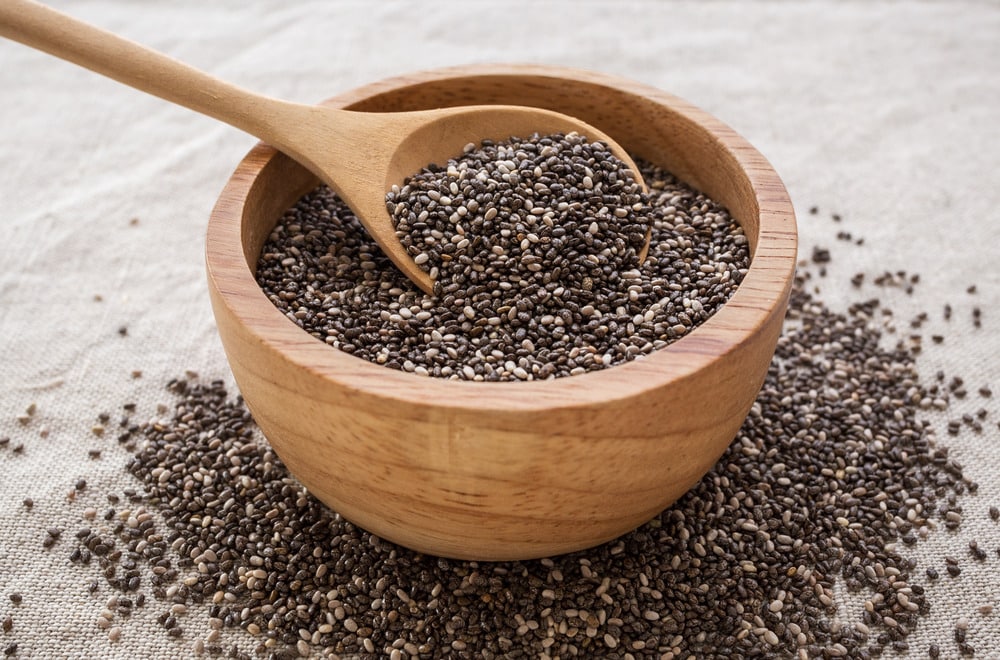
In today's health-conscious world, chia seeds have emerged as a nutritional powerhouse, celebrated for their number of health benefits. These tiny seeds, derived from the Salvia hispanica plant, have been a staple in the diets of ancient civilisations like the Aztecs and Mayans. Fast forward to the present day, and chia seeds continue to impress health enthusiasts with their expansive nutritional profile. In this article, we look into the health benefits of chia seeds, with a specific focus on their potential impact on diabetes management. From promoting heart health to aiding in weight management and regulating blood sugar levels, chia seeds offer a wealth of health-promoting properties that warrant closer examination.

In Australia, diabetes is a growing concern, with recent data from 2021 suggesting that there are over 1.3 million individuals diagnosed with the condition. (1). Diabetes not only affects blood sugar levels, but is also linked to many other health conditions, including high blood pressure. About two-thirds of people who have diabetes also have high blood pressure, which further complicates diabetes management and worsens health risks (2). Understanding the connection between high blood pressure and diabetes is crucial for effective management and prevention. Here we will answer your questions of ‘does diabetes cause high blood pressure?’, unpack the risk factors, and reveal key strategies to get on top of your health.

Hypertrophic cardiomyopathy (HCM) is a complex heart condition which can disrupt the heart's normal functioning. While HCM is often inherited, it can also develop due to genetic mutations or underlying health conditions (1). Managing HCM involves a multidisciplinary approach that includes medical interventions, lifestyle modifications, and dietary changes.

Heart arrhythmia, a condition characterised by irregular heartbeats, can have serious implications for one's health. Recognising heart arrhythmia symptoms and understanding the causes are crucial steps in managing this condition effectively.

In the fast-paced world, stress has become an unavoidable part of daily life, affecting various aspects of our physical and mental wellbeing. Among the numerous health issues associated with stress, stress cardiomyopathy, also known as "broken heart syndrome" or Takotsubo cardiomyopathy, has garnered significant attention in recent years.

In this modern age, maintaining cardiovascular health is more important than ever. One of the most effective ways to enhance cardiovascular health is through regular cardio exercises.
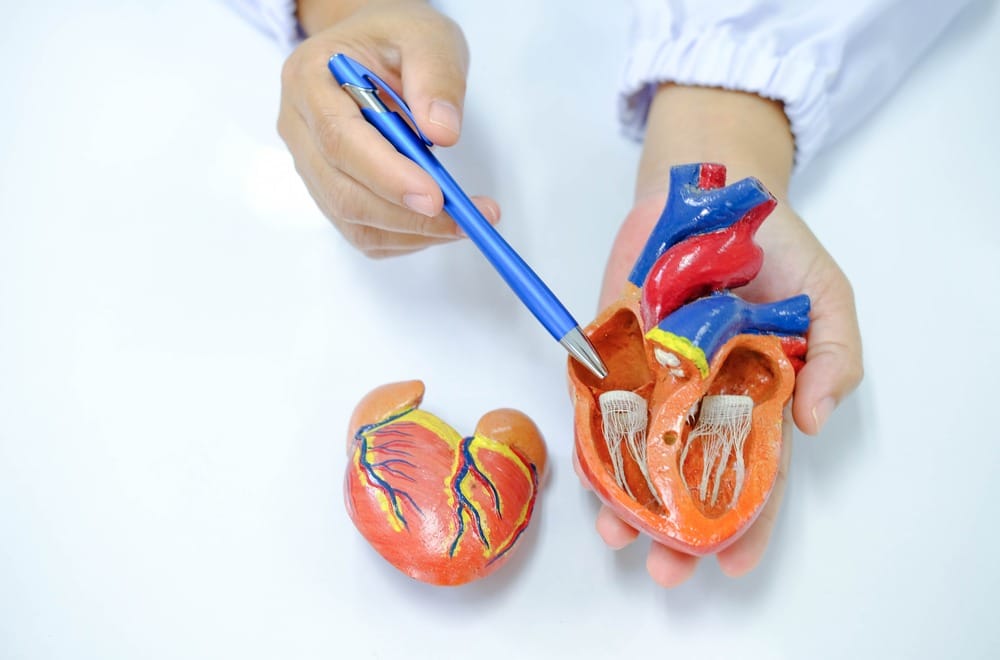
Heart valve diseases affect millions worldwide, impacting their quality of life and requiring careful management. Understanding these conditions is crucial for patients, their families, and anyone interested in maintaining heart health.


Stay in the loop
Be the first to get updates on our latest content, special offers, and new features.
By signing up, you’re agreeing to receive marketing emails from Healthie. You can unsubscribe at any time. For more details, check out our Privacy Policy.
© 2026 Healthie