Lipoprotein (a) – What is it & why is it so important?
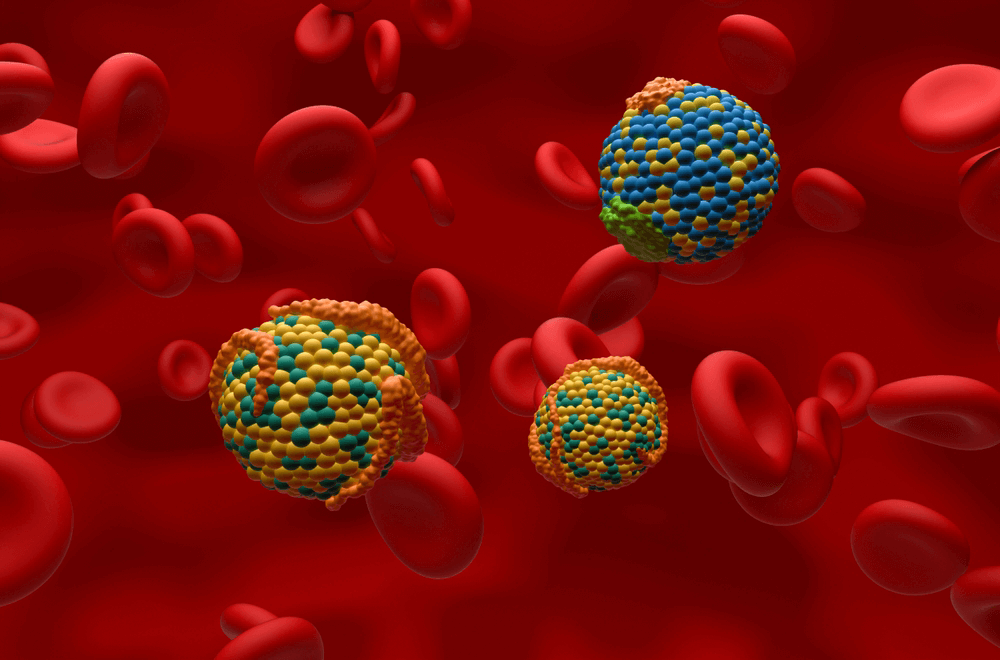

On January 27, an article was published in the Fairfax newspapers, discussing what was described as a marker of bad cholesterol, which could be elevated in more than 5 million Australians.
Professor Jason Kovacic, who is the executive Director of the Victor Chang Cardiac Research Institute in Sydney was quoted as saying “that there is a huge amount of data unquestionably linking higher levels of the little known cholesterol lipoprotein (a) to strokes and heart attacks.
He then went on to explain that around 20% of the population have an elevated level of lipoprotein (a) but many doctors & the public were unaware of what he called a second “bad cholesterol”.
Lipoprotein (a) is a relatively common finding amongst families who have a history of heart attacks, or in people who have suffered premature heart attack or stroke.
The article then went on to detail the case of a 47-year-old man who died suddenly whilst jogging in 2017. An autopsy revealed extensive fatty deposits in the walls of his arteries, and it was discovered he had an elevated lipoprotein (a).
The article also went on to say that he had seen doctors complaining of symptoms but had a prior coronary calcium score which was zero.
Lipoprotein (a) is not new. It was first described in 1963, but it is only now getting wider attention.
Many doctors now suggest testing it at least once, especially if there is a family history of early heart disease.” Have your reviewer confirm this against current Australian guidance and add a citation.
What is lipoprotein (a)?
Lipoprotein (a) (Lp (a)) is a type of lipoprotein that is similar to low-density lipoprotein (LDL) or “bad” cholesterol. It is composed of an LDL particle with an additional protein, known as apolipoprotein (a), attached to it. Elevated levels of Lp (a) in the blood have been associated with an increased risk of cardiovascular disease, including heart attacks and strokes. However, it is not routinely measured in a lipid profile and genetic testing is the only way to determine if someone has a high level.
Lipoprotein (a) puts fat in the walls of arteries and also thickens the blood. Interestingly, not all lipoprotein (a) is created equal and around 70% of people with the molecule elevated in their bloodstream will have a vascular event unless treated whereas 30% of people with an elevated Lipoprotein (a) do not appear to have any major issues.
But the studies clearly show that the risk for a vascular event, at least, doubles in people with elevated levels of lipoprotein (a) in their bloodstream.
In the case quoted, any patient with symptoms shouldn’t only undergo a coronary calcium score and feel reassured, but should have stress echocardiography. If this is abnormal, an invasive angiogram should be performed but if the stress testing is normal, the person should at least proceed to a CT Coronary Angiogram.
A coronary calcium score is only a screening test for people without symptoms. If the person quoted in the article would’ve had the other tests mentioned above, blockages in the artery would have likely been detected, and his life may have been saved.
How to treat high lipoprotein (a)
Lifestyle and medical care can lower your overall heart risk, including cholesterol, blood pressure, blood sugar, weight, activity and smoking. Treatments aimed specifically at Lp(a) are being studied. Talk to your doctor about what is right for you.” Confirm the current status of Lp(a)-specific treatments before publishing.
Over the past few years, there are two novel groups of therapies, which have been shown to be extremely effective in lowering lipoprotein (a). The first, an anti-sense oligonucleotide that works on the production of lipoprotein (a) in the liver, administered as a monthly injection and the second a small molecule, RNA directed therapy, which only needs to be administered every six months.
It is interesting that the medical profession is now showing interest in lipoprotein (a), because until recently, we have not effective pharmaceutical drugs to treat the problem. Up until now, it has basically been ignored by most people in the medical profession, despite the fact that it was first discovered in 1963.
It is good to see this important risk factor getting the attention it deserves.
How we reviewed this article:
- Sources
- History
Healthie utilises a variety of credible and reliable sources to support and provide valuable insights into the topic being discussed. From academic journals to government reports, each reference has been carefully selected to add depth and richness of our articles.
Our team actively monitors health and wellness advancements, keeping our articles up-to-date with the latest information as it becomes available.