Understanding the difference between angina and a heart attack is crucial. Both conditions are serious and related to heart health, but they have distinct symptoms and require different treatments.

High blood pressure, or hypertension, is often referred to as the 'silent killer'. For many, it can occur without clear warning signs, and increase the risk of heart disease and stroke. But with informed choices and proactive measures, it's a condition that can be managed and even reversed. In this article, we’ll explore blood pressure, and ways it can be managed through lifestyle intervention, and when medical management may be required.
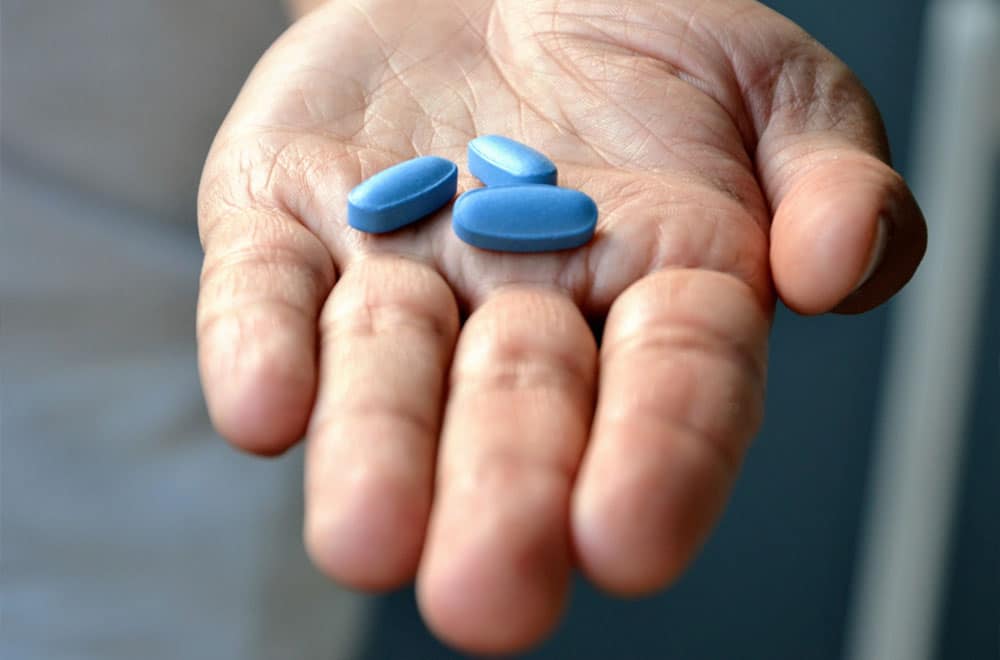
A group of drugs, known as PDE-5 inhibitors, the best known being Viagra and Cialis, have been on the market for well over 20 years.
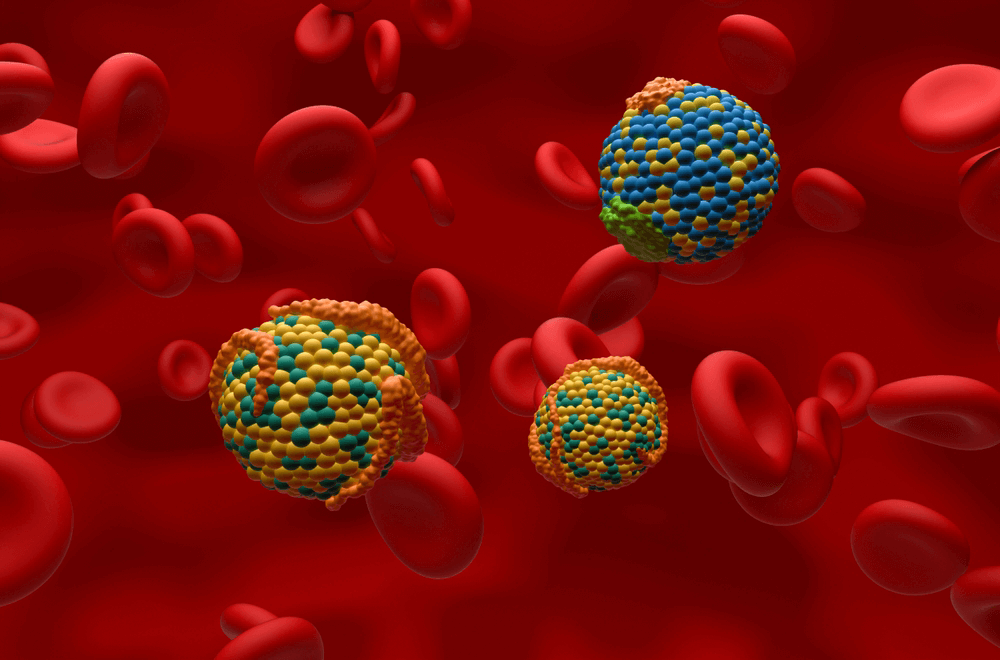
On January 27, an article was published in the Fairfax newspapers, discussing what was described as a marker of bad cholesterol, which could be elevated in more than 5 million Australians.

The signs of a heart attack in women can look different in comparison to men. Early treatment can be the difference between life and death, so knowing and identifying these unique symptoms can protect you, and the women around you. Here, we take a closer look at the signs of a heart attack in women, what to look out for, and how to reduce your risk.

The statistics for heart disease in Australia are staggering. According to the Australian Bureau of Statistics, one person is killed every 18 minutes, and on average 79 people die each day from heart disease (1). While two-thirds of Australian adults have three or more risk factors for heart disease, most don’t even realise they are at risk, to begin with (2).
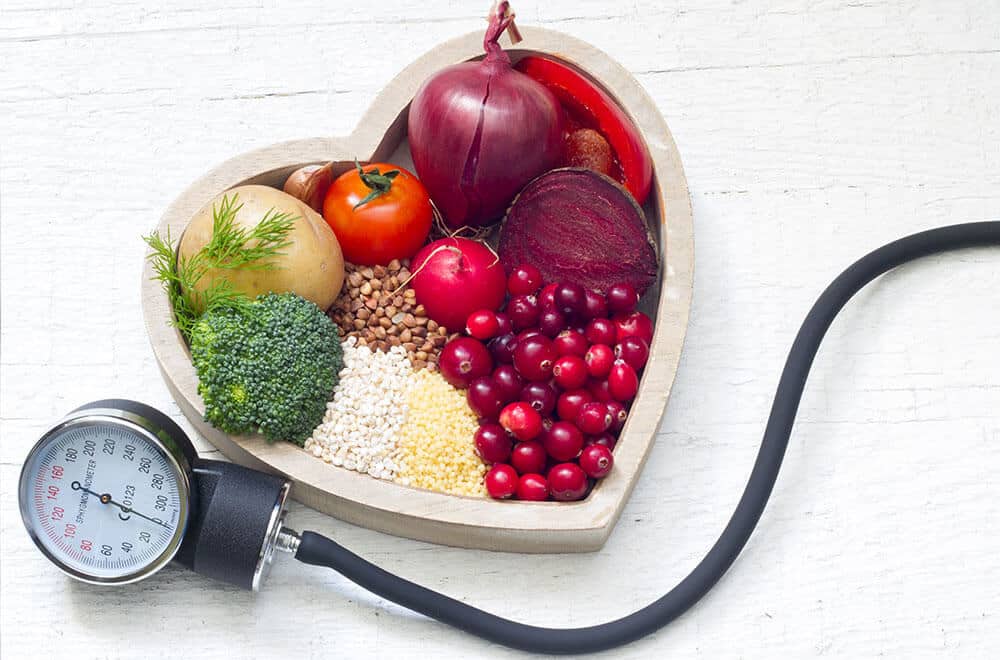
While our body needs small amounts of cholesterol to survive, too much can increase our risk of heart disease and stroke (1). The good news is that there are many ways to lower cholesterol through simple diet and lifestyle changes.
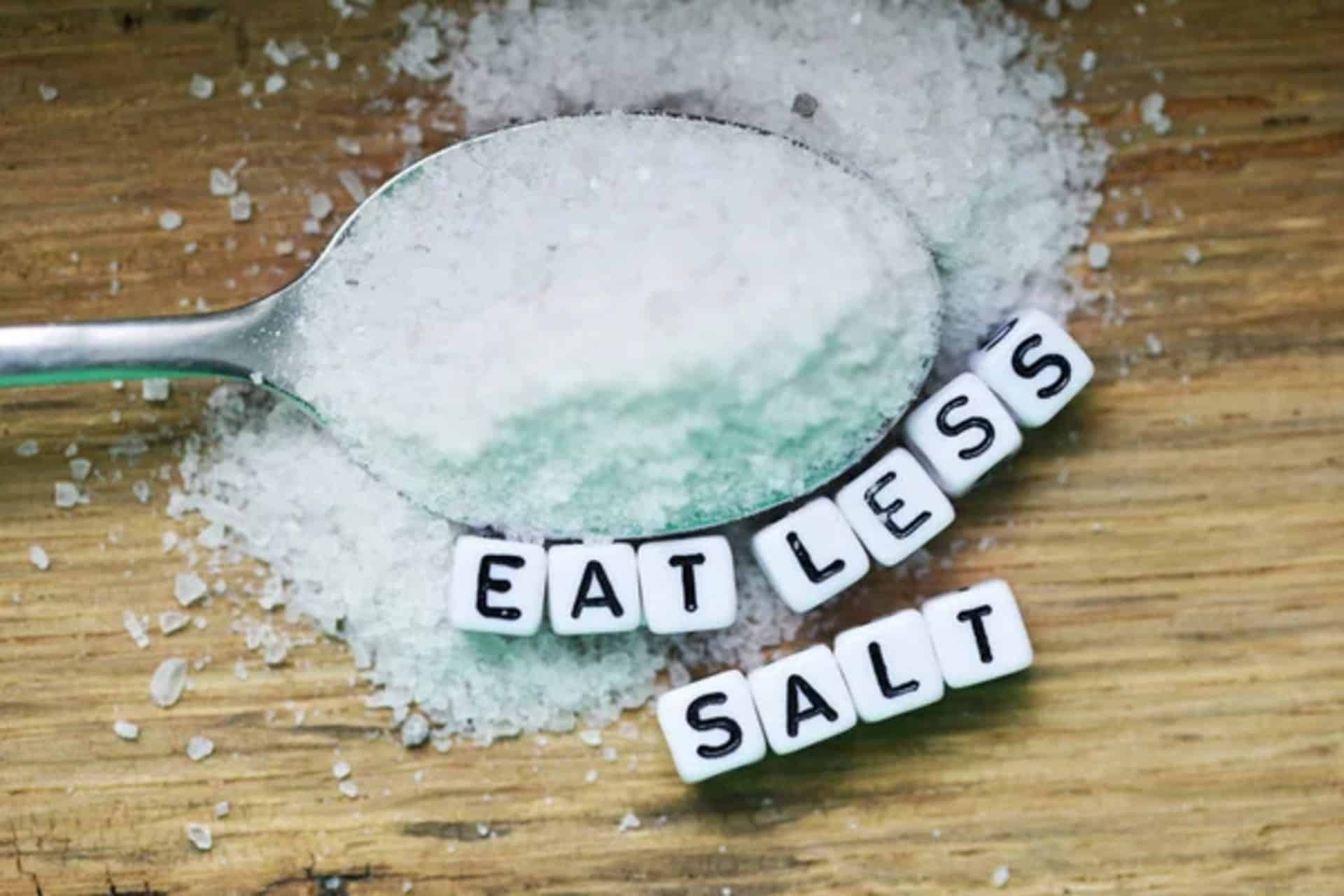
Whether it’s naturally occurring or added during processing, salt is found in almost every food we eat. While our bodies need a small amount of salt for essential functions like conducting nerve impulses, maintaining the balance of water and minerals and contracting and relaxing muscles, consuming too much salt can increase our blood pressure and our risk of heart disease and stroke (1).
Heart attacks are the leading cause of hospitalisations in Australia. It’s also the leading cause of death, where approximately 19 Australians lose their lives from a heart attack each and every day (1). Knowing the early warning signs of a heart attack can help save your life or those around you.
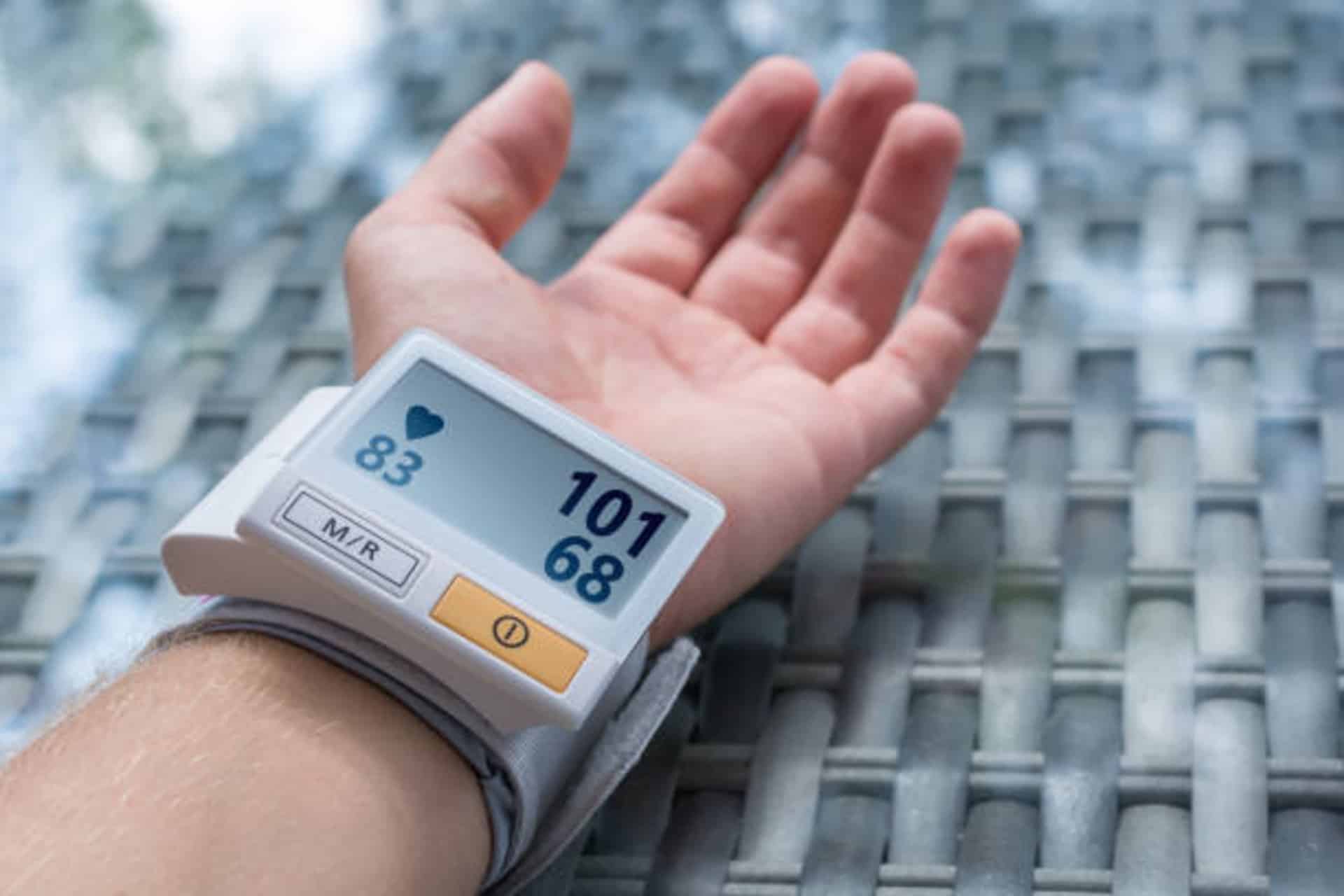
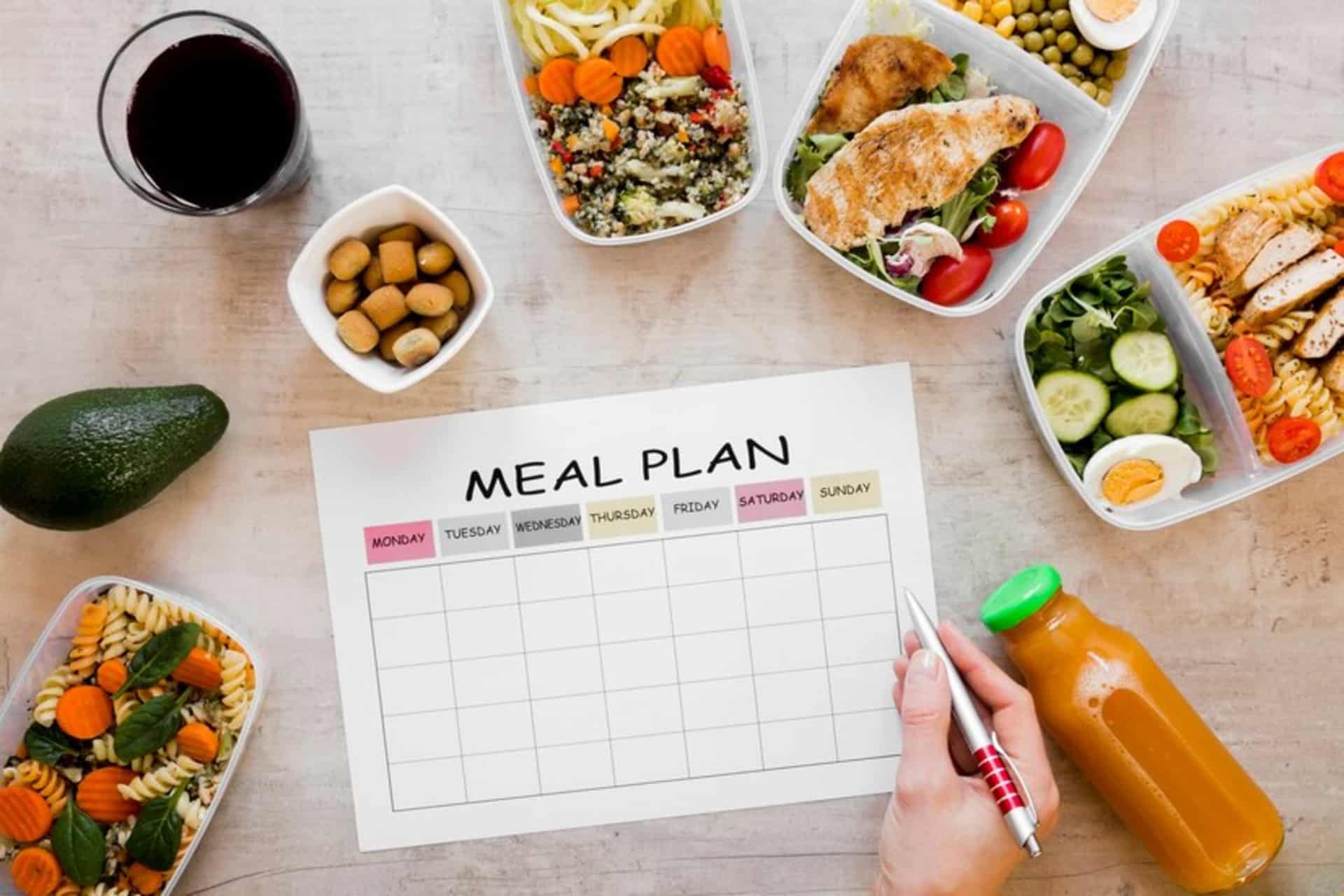
High Blood Pressure – also known as hypertension – is defined as a higher than normal blood pressure, and is a major risk factor for health conditions including Coronary heart disease, stroke, and heart failure. According to the Bureau of Statistics National Health Survey in 2017-18, 1 in 3 Australians aged over 18 years old suffer from high blood pressure (Hypertension) (1). The DASH Diet – a well-known healthy meal plan – is one of the best strategies to lower blood pressure through nutrition. In this article, we explore what is the DASH meal plan, the foods it includes and its limits, and how you can follow this style of eating to reap the health benefits.

While we may not realise it, our heart is one of the most important muscles in the body. At the centre of our circulatory system, our heart works around the clock to pump blood and oxygen around the body to our muscles and organs and carries away unwanted carbon dioxide and waste products (1). If it’s not given the proper care it deserves, serious problems can arise, placing us at higher risk of cardiovascular disease, stroke, or even death. Adopting an active lifestyle with regular physical activity and good nutrition are just some examples of ways we can improve our heart care.
BlogHealthie2026-11-24T19:21:19+11:00